

A press release isn’t decoration. It’s architecture.
When built properly, it becomes the structural framework of your entire campaign — the staging that supports your tour, your release, your rebrand, your event.
In this Substack I give you a full breakdown: Problem. Anatomy. Sample.
1. Define the Audience Before You Write
Problem
You’re writing into the void. No defined listener. No defined market.
Anatomy
Before drafting, answer:
Who is this for?
What else do they listen to?
Where do they hang out online?
Where do they gather IRL?
Which media outlets speak directly to them?
This shapes tone, references, positioning and distribution strategy.
Sample
“This release targets 25–40 year old alternative rock listeners who follow artists like Act One and Act Two, attend major theatre shows and regional touring circuits, and consume music discovery via Spotify editorial playlists and community radio.”
That one sentence informs everything.
2. Write a Headline With Authority
Problem
Vague headlines get skipped.
Anatomy
Include:
Artist name
What’s happening
Why it matters
Clear. Searchable. Direct.
Sample
“Melbourne Alt-Rock Band Silver Arcade Announce National Theatre Tour and Release New Single ‘Static Hearts’”
No mystery. Just clarity.
3. Craft a Compelling Summary
Problem
No quick snapshot of the announcement.
Anatomy
Two to three sentences that capture:
The news
The hook
The positioning
Sample
“Following a sold-out east coast run in 2025, Silver Arcade return with ‘Static Hearts’, the first single from their forthcoming album. The release coincides with a 12-date national theatre tour kicking off in May 2026.”
Concise. Informative. Purposeful.
4. Answer the Essential Questions Immediately
Problem
The reader has to hunt for dates and links.
Anatomy (First Paragraph Must Cover):
Who
What
When
Where
Why
Sample
“Silver Arcade will release their new single ‘Static Hearts’ on 14 May 2026 via all major streaming platforms, marking the first taste of their upcoming third studio album. The release launches alongside a 12-date national theatre tour, following a year of rapid audience growth and critical acclaim.”
Everything you need. Instantly.
5. Expand the Story and Driving Force
Problem
There’s no emotional or creative context.
Anatomy
Add:
Inspiration
Themes
Stylistic evolution
Collaborations
Risk taken
Sample
“Written during a period of creative burnout, ‘Static Hearts’ explores the tension between ambition and identity. Produced by ARIA-winning producer Name Name, the track marks a sonic shift toward cinematic production layered with restrained, introspective lyricism.”
Now it has depth.
6. Add Quotes That Mean Something
Problem
Generic quotes dilute impact.
Anatomy
Quotes should reveal:
Vulnerability
Insight
Perspective
Sample
“We nearly scrapped this track three times,” says frontman Vocalist Name. “It only started working when we stopped trying to write a ‘single’ and started writing something honest.”
That’s usable copy.
7. Provide Background Context
Problem
There’s no positioning within the market.
Anatomy
Briefly outline:
Previous releases
Milestones
Tours
Achievements
Sample
“Silver Arcade’s sophomore album debuted at #12 on the ARIA Charts and earned triple j rotation across three singles. The band has previously supported Famous Band Name and performed at major Australian festivals including Well Known Aussie Festival Name.”
Now the reader understands scale.
8. Direct the Call to Action
Problem
No instruction. No movement.
Anatomy
Be specific:
Stream
Pre-save
Buy tickets
Join mailing list
Sample
‘Static Hearts’ will be available on Spotify, Apple Music and all major platforms from 14 May. National tour tickets go on sale Friday 9am via silverarcade.com.”
Direct. Measurable.
9. Include Professional Contact Details
Problem
No clear contact pathway.
Anatomy
Always include:
Contact name
Email
Phone (if appropriate)
Website
Social links
Sample
Media Enquiries:
First Surname
name@silverarcade.com
+61 4XX XXX XXX
www.silverarcade.com
@silverarcade (Instagram / Facebook / TikTok)
Make response easy.
10. Proofread and Integrate Into the Campaign Framework
Problem
It’s treated as a one-off announcement.
Anatomy
Once complete, repurpose the release into:
EPK copy
Website announcement
Social captions
Booking portal description
Sponsor deck narrative
Email campaign copy
Your press release becomes the campaign blueprint.
Sample (Repurposed Summary Into Social Caption)
New music. New tour. Same unapologetic energy. ‘Static Hearts’ drops 14 May. Tickets on sale Friday.
One source. Multiple touchpoints.
The Bigger Strategic Picture
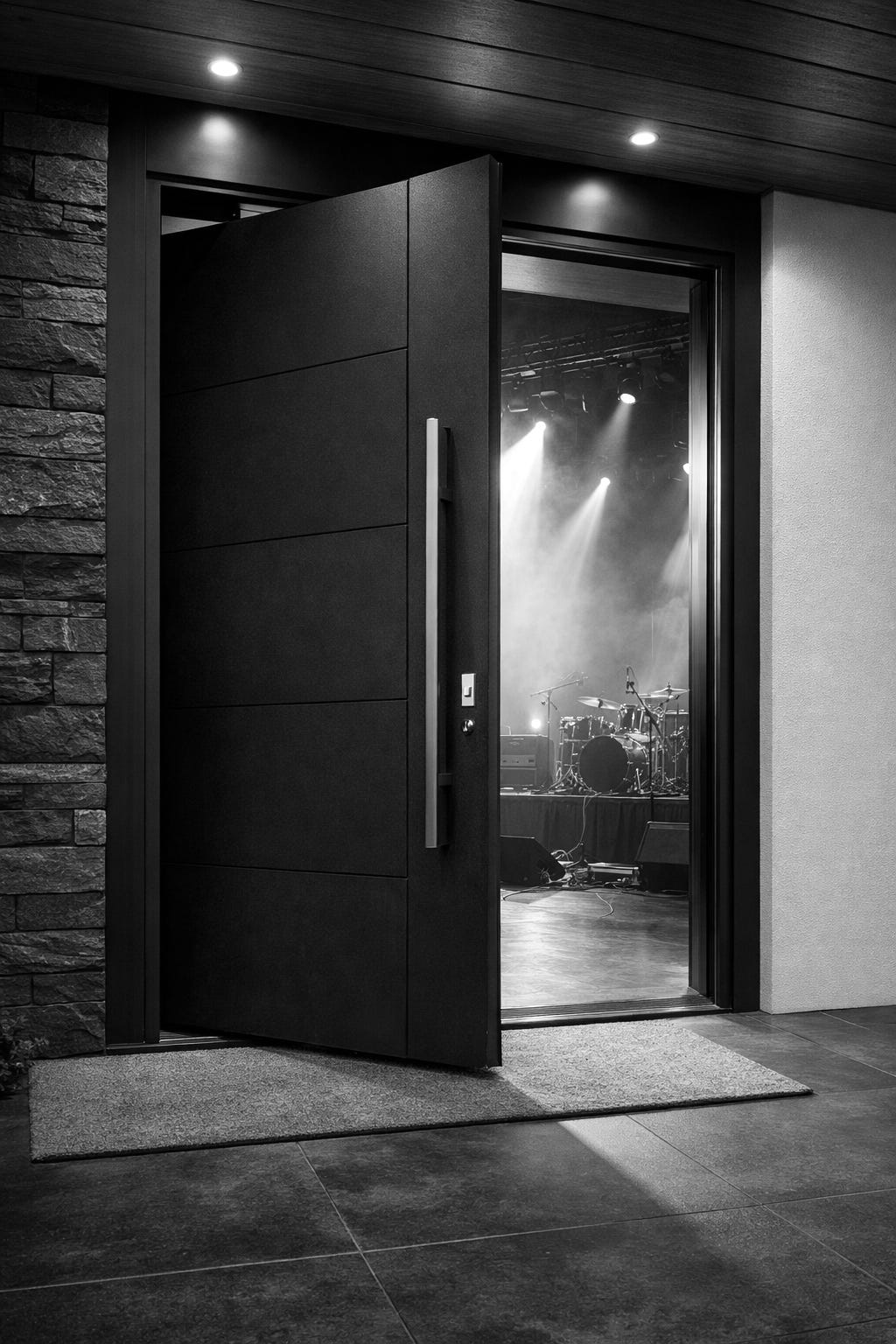
A press release is the front door to your house.
Tour house.
Release house.
Brand house.
If it’s unclear, weak or chaotic — people keep walking.
If it’s structured, compelling and professionally delivered — they step inside.
In a crowded market, structure wins.
Construct the door with precision. Everything else stands behind it.
Written by Nichola Burton. I work in partnership with Agents, Artist Managers and Event Producers, who juggle a diverse range of relationships in the Musoverse, to curate, manage and measure data in systems, experience, creative and content to support the entire Musoverse operation in my enterprise A Little Pitchy Copyright 2026
